Table of Contents
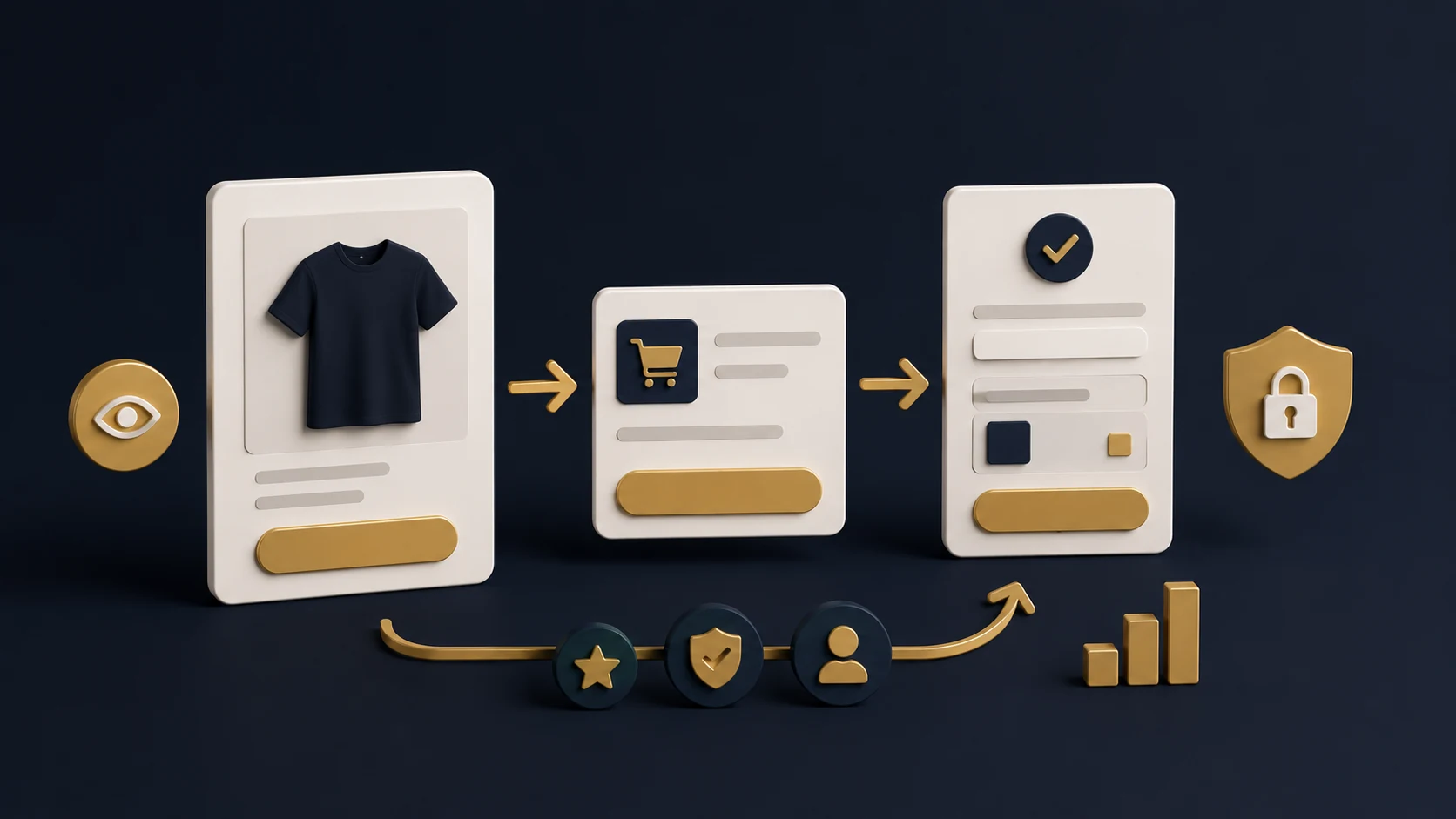
01. Why SEO Should Come Before Scaling Ads 02. Fix Your Shopify Store Structure 03. Optimise Product & Collection Pages 04. Improve Technical SEO 05. Build a Content Strategy 06. Use SEO to Improve Conversion Quality 07. Final SEO Checklist Before AdsPaid ads can bring traffic quickly, but if your Shopify store is not properly optimised, that traffic can become expensive and inefficient. SEO helps your store become easier to understand for both customers and search engines. Before scaling ads, it is worth preparing your Shopify SEO foundation so every visitor lands on clearer, faster and more trustworthy pages.
Why SEO Should Come Before Scaling Ads
Many ecommerce brands treat SEO as something they will handle later. They launch the store, start running ads, and only begin thinking about organic visibility after they realise that customer acquisition costs are rising. This is a common mistake.
Shopify SEO is not only about ranking on Google. It also improves the quality of your website. A properly structured store has clearer product pages, better collection organisation, stronger internal linking and more useful content. These improvements can support both organic search performance and paid traffic conversion.
Fix Your Shopify Store Structure
Store structure is one of the most important parts of Shopify SEO. Your navigation, collections and page hierarchy should make sense to customers and search engines. If your store is difficult to browse, users may leave quickly and search engines may struggle to understand which pages are most important.
Start with your main collections. These should be based on how customers naturally search for your products. For example, a fashion store may use categories such as T-Shirts, Hoodies, New Arrivals and Best Sellers. A service-based Shopify business may use pages like Shopify Development, SEO Optimisation, CRO and Migration.
- Keep your main navigation simple and focused.
- Make important collections easy to access.
- Use clean, readable URLs.
- Avoid duplicate or unnecessary collection pages.
- Link related products, collections and blog posts together.
Optimise Product & Collection Pages
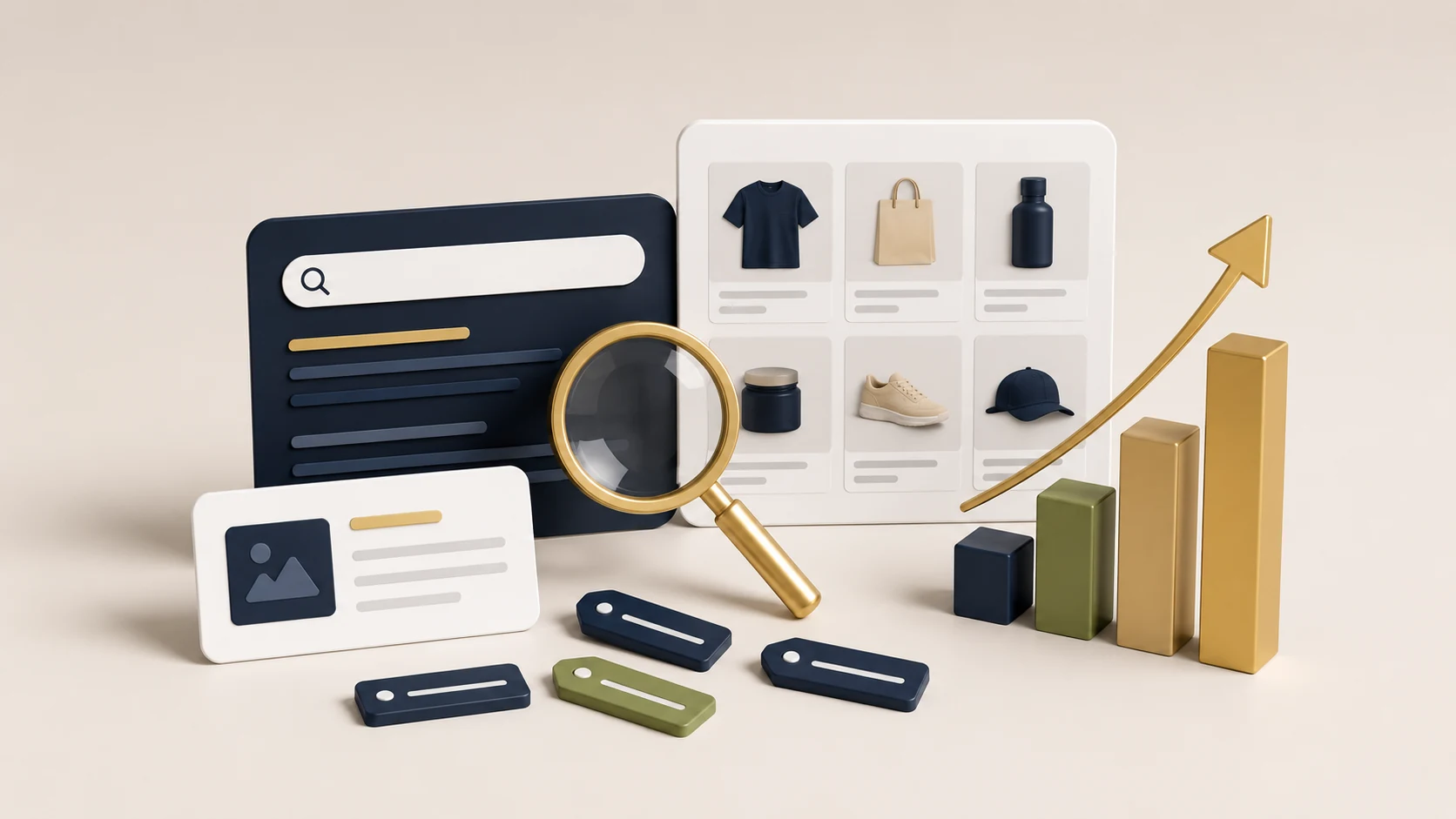
Product and collection pages are usually the most valuable SEO pages in a Shopify store. These pages are close to purchase intent, which means visitors searching for them are often already interested in buying or comparing products.
Each product page should have a clear title, unique description, optimised images, relevant keywords and helpful buying information. Avoid copying manufacturer descriptions or using very short product text. Google and customers both need useful information to understand the value of the product.
Collection pages should also include short, useful descriptions. Instead of only displaying products, explain what the collection includes, who it is for and why customers might choose those products.
Product & Collection SEO Checklist
Improve Technical SEO
Technical SEO helps search engines crawl, understand and index your Shopify store correctly. It also improves user experience, especially on mobile devices. A store that loads slowly, has messy headings or uses oversized images can lose both rankings and conversions.
Focus on page speed, mobile usability, image compression, heading hierarchy, metadata and broken links. Shopify gives you a good starting point, but themes, apps and custom sections can still create performance issues if they are not managed properly.
You should also connect Google Search Console, submit your sitemap and check whether important pages are indexed. This helps you understand how Google sees your store and whether any technical problems need fixing.
Build a Content Strategy
Blog content can support Shopify SEO by answering customer questions before they buy. Good content helps your store rank for informational and commercial search terms, while also building trust with potential customers.
The best ecommerce blog topics are usually connected to your products, customer problems and buying decisions. Instead of writing random articles, focus on content that supports your store’s main categories and services.
- Write buying guides related to your products.
- Create comparison articles.
- Answer common customer questions.
- Explain product use cases and benefits.
- Link blog posts to relevant collections or services.
Use SEO to Improve Conversion Quality
SEO traffic can be highly valuable because users are actively searching for something. When your pages match search intent correctly, visitors arrive with clearer expectations. This can improve the quality of traffic and make your marketing more efficient.
For example, a visitor searching for “best Shopify SEO setup for new stores” is not just browsing. They are looking for a solution. If your page answers that need clearly and offers a relevant service, SEO can support lead generation as well as organic visibility.
Final SEO Checklist Before Ads
Before increasing your advertising budget, review your Shopify SEO foundation carefully. Paid traffic should not be sent to pages that are unclear, slow or poorly structured. A stronger SEO setup can make your entire store more trustworthy and easier to navigate.
Pre-Ads SEO Checklist
Shopify SEO is a long-term growth asset. It may not deliver results overnight, but it helps your store build authority, improve user experience and reduce dependency on paid traffic over time. Before scaling ads, make sure your organic foundation is strong enough to support sustainable ecommerce growth.
Frequently Asked Questions
Is Shopify good for SEO?
Yes. Shopify includes helpful SEO features such as editable meta titles, meta descriptions, alt text, clean URLs and automatic sitemap generation. However, strong SEO still requires proper content, structure and optimisation.
Should I do SEO before running ads?
Yes, ideally. Ads can bring traffic quickly, but SEO improves the quality of your store. A better structured store can convert paid traffic more effectively.
How long does Shopify SEO take to work?
SEO usually takes time. Some technical improvements can help quickly, but meaningful organic growth often takes several months depending on competition, content quality and website authority.
Do collection pages matter for Shopify SEO?
Yes. Collection pages can rank for category-level keywords and help customers browse products more easily. They should include clear titles, descriptions and relevant internal links.
Related service: Explore RexCode’s Shopify SEO Optimisation service.