
A shopper can describe the product they need along with its size, price and delivery requirements. An AI assistant has to interpret those constraints, compare them with product information and return relevant options. For a Shopify merchant, that makes product clarity and channel readiness practical ecommerce work, not a promise of easy AI rankings.
Checked against Shopify’s current documentation on 26 October 2026. Features and country availability can change during roll-outs, so confirm what appears in your own Shopify Admin before changing a sales-channel setting.
1. What is Shopify AI shopping?
AI shopping describes product discovery through a conversational interface. Instead of starting with a category menu or a short keyword search, a shopper can state a need, constraints and preferences together. An AI service may then interpret the request, retrieve relevant products and present a shortlist that the shopper can compare.
Agentic commerce is the broader set of systems that lets software agents help with parts of a purchase journey, from discovery and product comparison through to carts or checkout. The term covers several different experiences. A product recommendation in a chat is not the same thing as a completed order inside that chat.
For a Shopify store, three mechanisms can overlap:
- Shopify Catalog: eligible product information is structured and made available to supported channels through Shopify.
- Open-web discovery: search engines and other crawlers can find public product pages, much as they do today.
- Checkout: the channel either sends the customer to the merchant’s online store or offers a supported direct-checkout flow.
These are separate capabilities. Catalog inclusion does not promise that a product will appear in a particular answer, and checkout behaviour depends on the channel, store eligibility and current rollout.
2. How Shopify Agentic Storefronts work
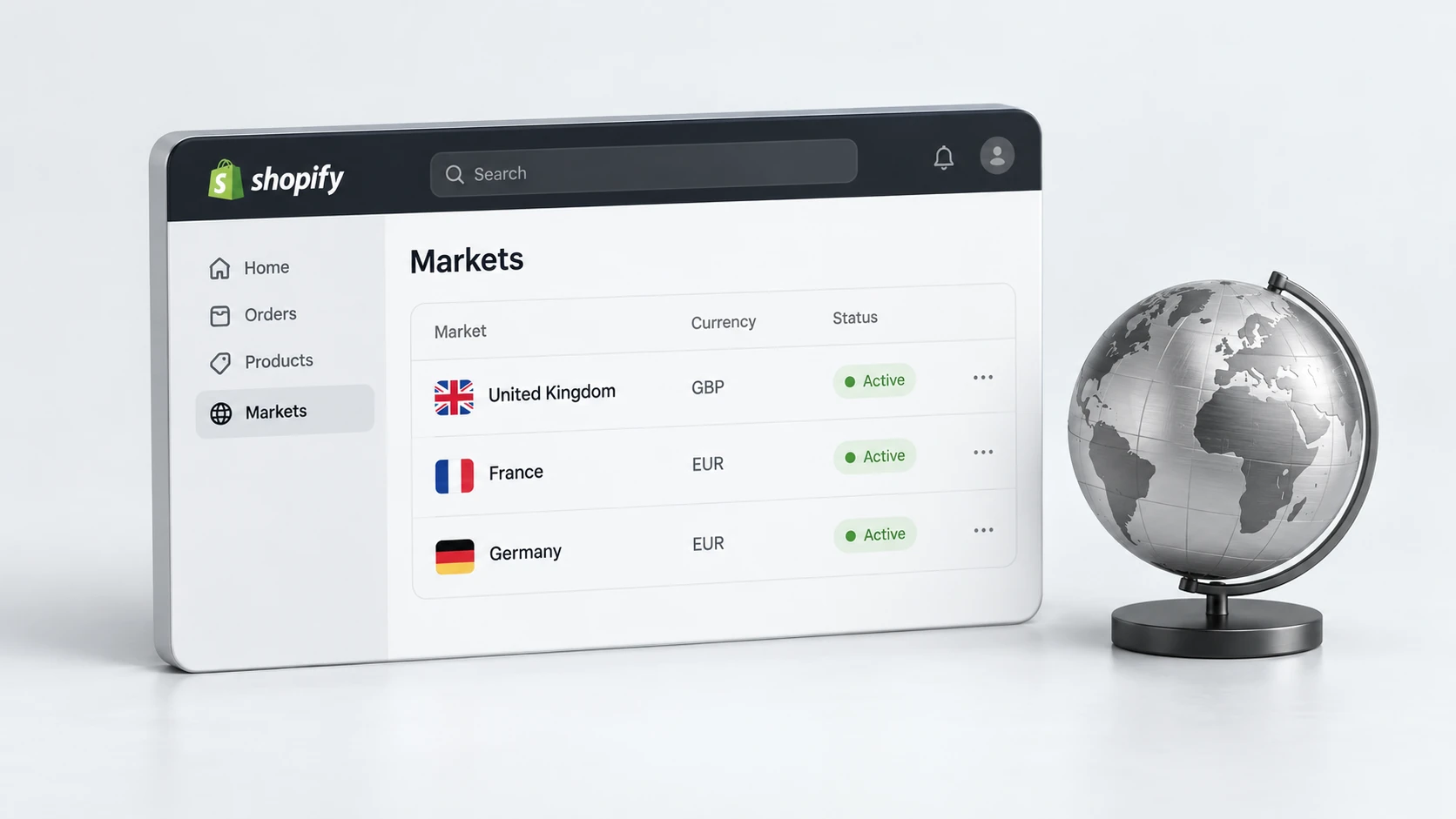
Shopify’s merchant-facing feature is called Agentic Storefronts. For eligible stores, supported channels can access product information through Shopify Catalog and product discovery for Agentic Storefronts, with Google AI Mode and Gemini also using the Google & YouTube sales channel or Google Merchant Center. Merchants can review channel access and relevant checkout controls under Sales channels → Agentic in Shopify Admin.
At the time of writing, channel journeys are not identical:
| Channel | Product discovery | Checkout path | What to verify |
|---|---|---|---|
| ChatGPT | Discovery-focused referral using eligible Catalog products. | The shopper completes the purchase at the merchant’s Online Store checkout in an in-app browser or web tab. | The store must sell to customers in the United States; the merchant can be based elsewhere. |
| Google AI Mode and Gemini | Product data can come through Google & YouTube, Merchant Center and relevant Shopify discovery features. | Direct checkout is rolling out to eligible stores. Availability and controls can differ. | Google channel setup, country availability and the Agentic settings shown for the store. |
| Microsoft Copilot | Eligible Catalog products can be discoverable through the channel. | Direct checkout is available where supported and activated; otherwise the customer goes to the store. | Catalog access and checkout eligibility in Shopify Admin. |
| Meta surfaces | Product discovery is connected with the Facebook and Instagram sales channel. | Direct checkout can be used where the feature is supported and enabled. | Meta channel configuration and the controls currently available to the store. |

Shopify describes Universal Commerce Protocol (UCP) as an open standard for agent transactions across discovery, carts and checkout, with the Catalog API as a discovery layer. These are developer tools for building commerce experiences. If you are using Shopify’s built-in Agentic channels, the immediate merchant tasks are to check eligibility, channel settings and product data; a custom UCP integration is a separate development project. Shopify’s developer changelog documents newer agent tools such as Shop MCP, again for developers building their own experiences.
3. Is your Shopify store eligible?
Start with the store’s actual status rather than a generic checklist. Shopify Catalog eligibility depends on the account, the store and each product. Current requirements include compliance with Shopify’s terms and acceptable-use policy, account standing, and a supported plan. Most stores need the Starter plan or higher and can’t be in private mode; the Agentic plan has a documented route for products before an Online Store is published to a paid plan. A product generally needs a title, at least one image, a price above zero, publication to an Online Store, Hydrogen or Headless channel, and an identifiable product URL. If an Agentic plan store hasn’t published an Online Store, its products need an external product URL. Products can’t be unlisted or hidden from search engines, and some categories are excluded.
Shopify reviews account standing over time, so visible product checks alone do not guarantee eligibility. In Admin, open Sales channels → Agentic to see Catalog status, product counts, ineligibility reasons and data mapping. Access requires the relevant Products and Agentic permissions.
ChatGPT also requires US customer sales, acceptance of its supplemental terms, and completed Terms of service, Privacy, and Return and refund policies. A UK-based merchant can qualify if the store meets these conditions.
For the current rules, see Shopify’s Catalog eligibility requirements and its ChatGPT requirements. Treat the status shown for your store as the operative check.
4. Why product data matters more than hype
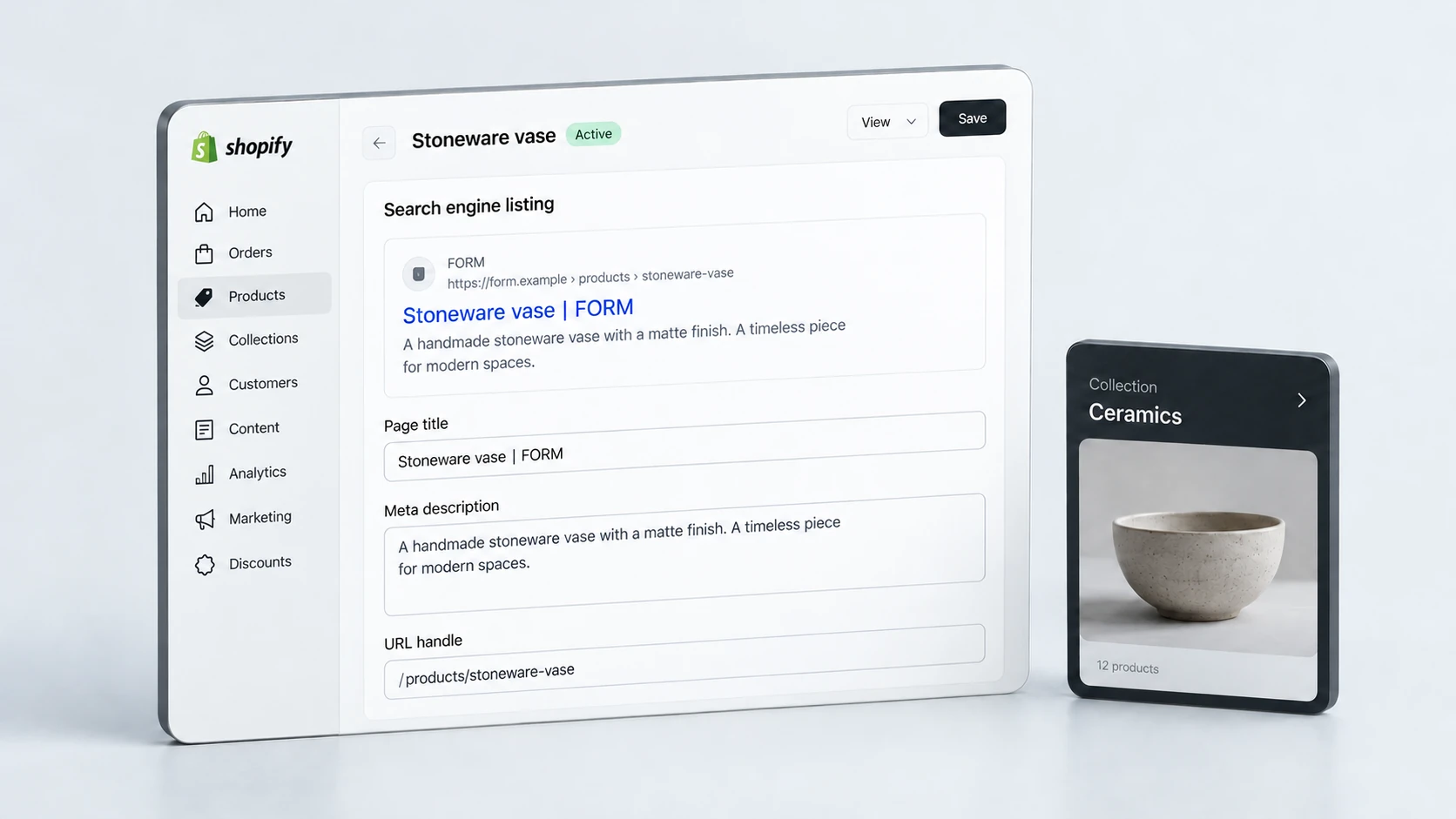
A conversational request contains attributes. Product listings need enough verified detail to distinguish items by their capacity, material, dimensions, options and care instructions. A title and description should make the product understandable to a person first; consistent product fields then make those facts easier for Catalog and other systems to interpret.
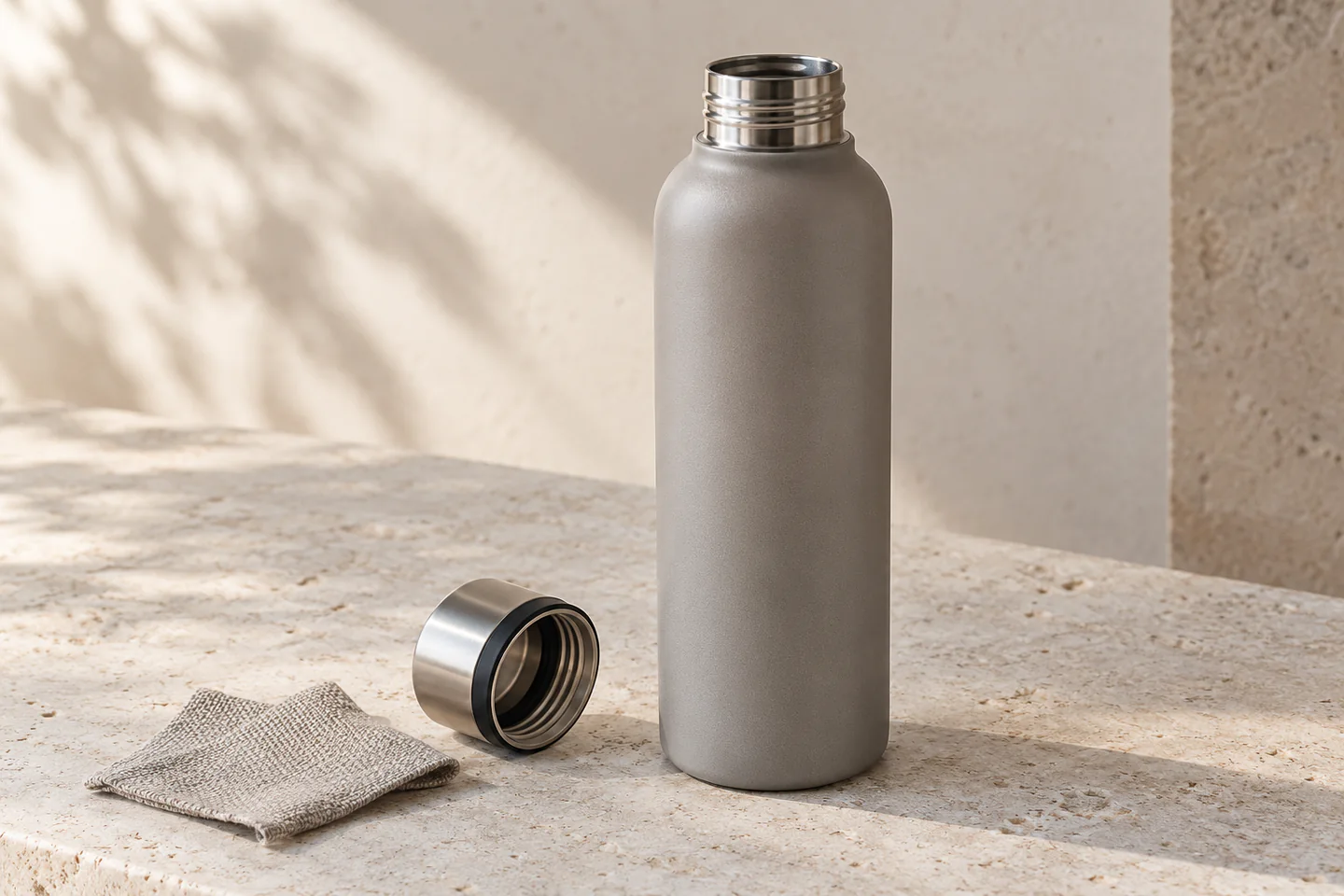
Product titles are only a starting point. Product pages and structured fields should state supported facts: what an item is made from, its dimensions, how it is cleaned, which options are available, the current price and stock status, and any relevant shipping or returns information. Do not add measurements or performance claims unless the business can substantiate them.
Shopify’s product guidance for AI platforms names titles, descriptions, images, product organisation, identifiers such as barcodes, and variant options as useful data. It also recommends complete store policies. If important facts live in metafields or metaobjects, Shopify Catalog Mapping can connect the preferred source fields. Variant grouping can help related options appear as one product listing.
This is catalogue hygiene with wider benefits: customers can compare products more confidently, staff have fewer ambiguous questions to resolve, and feed-based channels receive clearer attributes. Better information can improve the chance of a relevant match, but Shopify says platform-specific factors still influence results.
5. Shopify AI readiness checklist
Work from the foundations up. The first list is the practical baseline for a merchant. The advanced items make sense when the product range or data model is complex.
Essential checks
Advanced improvements
Prioritise the products that matter most to the business, then apply the same data rules to the rest of the catalogue. Do not bulk-generate claims to fill empty fields. Empty data is a gap to investigate, not an invitation to guess.
6. AI discovery and traditional SEO
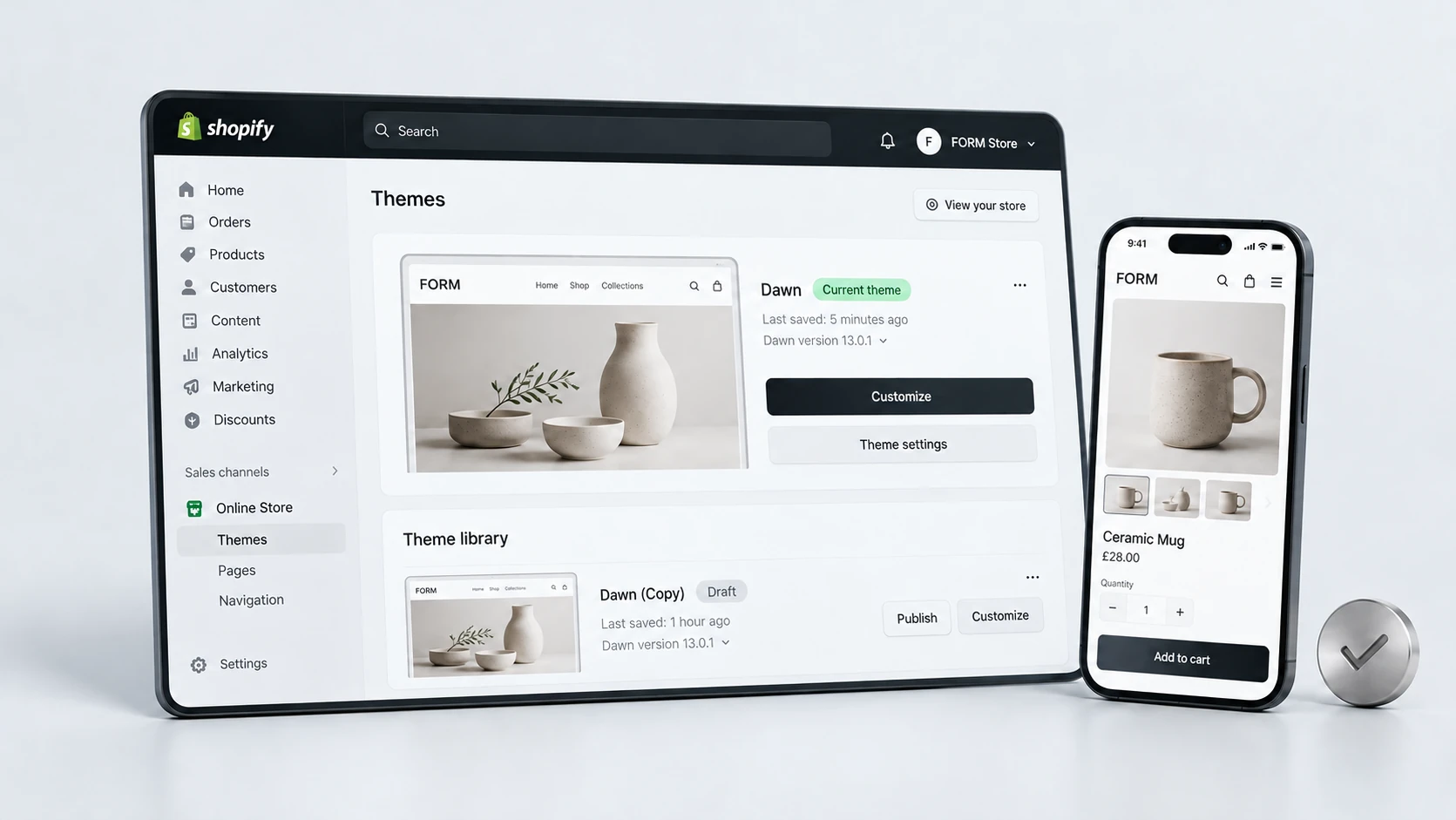
Technical SEO still matters because public product pages can be found through ordinary crawling and indexing. Clear product URLs, useful page titles, crawlable internal links, accurate canonical tags, a working mobile experience and consistent structured data remain sensible foundations. For practical checks on product and collection pages, see RexCode’s Shopify SEO checklist and guide to faceted navigation and SEO.
Keep the mechanisms distinct. Shopify Catalog is a structured product-sharing route for supported Agentic channels. Search-engine crawling is a separate route. Shopify says that turning off Catalog access does not necessarily prevent products being discovered through the open web; opting out can also take up to seven days to complete. Blocking a crawler in robots.txt affects only crawling and is advisory, not a switch for Catalog sharing.
Shopify stores now automatically serve /agents.md, /llms.txt and /llms-full.txt with store context. Shopify says these files do not replace Catalog, and they are not a ranking shortcut. Keep your visible policy, product and SEO information accurate; use these endpoints as supporting context, not as a substitute for a maintained catalogue.
Structured data should describe what a customer can see on the page. Valid product markup may help systems interpret a page, but adding schema does not guarantee AI inclusion or ranking. The same is true of a sitemap: it helps discovery and crawl management, but cannot force a platform to recommend a product.
7. How to measure AI shopping performance
Use the Agentic section in Shopify Admin to review channel settings, Catalog eligibility, product mapping, search previews, listing-quality indicators and any available channel reports. The search preview shows raw Shopify Catalog results for a query. Shopify notes that channels can re-rank those results using their own signals, so the preview is a directional diagnostic, not a promise of what a shopper will see.
Current performance reporting can include sales, orders, Online Store sessions and Online Store conversion for a channel. Shopify says sales combine referral-based purchases with purchases completed through direct checkout, and Agentic performance analytics are not yet available for headless stores. The report can show observed activity attributed to the channel; it does not by itself prove incremental lift or explain every platform decision.
Choose a small set of representative, high-intent product questions and record which products appear, their listing-quality signals and the date of the review. Compare like with like over a defined period. If you change titles, images, policies and pricing together, note that several factors changed. Use customer questions, search reports and store analytics alongside Agentic data before deciding what to prioritise next.
8. Common mistakes and misconceptions
- “Eligible means visible.” Eligibility makes a product available through a route; placement depends on the query and each platform’s systems.
- “ChatGPT has a separate Shopify direct-checkout switch.” Shopify documents ChatGPT as a discovery referral that sends the shopper to the store checkout.
- “An AI file or app guarantees traffic.” Shopify automatically serves discovery files. Catalog Mapping and Knowledge Base can help with specific data needs, but neither guarantees recommendations.
- “Turning Catalog off hides everything.” Public pages may still be found by crawling or indexing. A product marked Unlisted or hidden from search engines is also removed from ordinary search discovery, so understand the broader effect before changing status.
- “More product copy is always better.” Extra words that repeat generic claims or invent attributes make a listing less reliable. Add details that answer a real product question.
9. A practical 30-day readiness plan
Week 1 — Check eligibility and scope
Review the Agentic channel, Catalog eligibility and any product exclusions. Confirm the markets you serve, the channels available to the store, the policies required for those channels and the checkout paths currently offered. Choose a manageable first product group and record a baseline of current titles, options, images and availability.
Week 2 — Improve the product records
Rewrite vague titles and descriptions with verified facts. Standardise product types and option labels. Fill important attributes from a reliable source, check images for useful coverage, and correct stale price or stock data. If custom fields hold the best information, test Catalog Mapping on a small set before applying it broadly.
Week 3 — Check the customer journey
Review delivery, returns and refund policies, product URLs, search visibility and mobile product-page usability. Check that storefront content and Catalog fields agree. Review how a customer reaches the store checkout from each enabled channel, and make sure the landing page answers the questions implied by the product listing.
Week 4 — Measure and decide
Run a few realistic Catalog search previews, inspect listing insights, and note what changed. Review available channel sessions, orders and sales without treating attribution as a causal experiment. Keep, revise or pause work based on product accuracy, channel availability and customer evidence. Repeat the cycle as Shopify expands or changes channel support.
Frequently Asked Questions
Can Shopify products appear in ChatGPT?
Yes, if the store and products qualify for Catalog, the required terms and policies are complete, and the store sells to US customers. The merchant can be based elsewhere. ChatGPT sends the shopper to Online Store checkout.
Do I need an app or a UCP integration?
Not for built-in Agentic channels. Catalog Mapping helps with custom product fields, and Knowledge Base is optional. A custom UCP or agent build is a separate developer project.
Does Shopify automatically share products with AI platforms?
Eligible products are included in Shopify Catalog by default under current Agentic settings. Check store and product eligibility and channel access in Sales channels → Agentic.
Can a UK Shopify store participate?
Yes. A UK-based merchant can qualify for ChatGPT if it sells to US customers and meets the other requirements. Other channels vary by country and rollout.
Does product schema guarantee AI visibility?
No. Structured data describes page facts; Catalog eligibility and platform ranking are separate, and neither guarantees placement.
How do I check whether products are discoverable?
In Sales channels → Agentic, check Catalog status and product count, run a search preview, inspect listing insights and review available reports.
Can I control which AI channels use my products?
Yes, with channel-level Agentic settings. Turning off Catalog access does not necessarily stop open-web discovery and can take up to seven days.
Shopify AI shopping is best approached as a product-data and customer-journey project. Confirm what your store can access, make the catalogue accurately answer real buying questions, then use previews and reports to decide what deserves more work. There is no switch that guarantees an AI recommendation.